בכל אחד ואחת יש מן הייחודיות. לכל יחיד יש אמירה מיוחדת משלו לבטא, וצבע משלו להוסיף לקשת הצבעים הקהילתית והחברתית. כשאנו פועלים למען הקבוצה או הקהילה ומביאים את הייחודיות שלנו, אנו מעשירים ומועשרים, משלימים אלו את אלו ויוצרים תחושת אחדות. אספנו עבורכם ספרים נפלאים ומרגשים על אחדות ועל ייחודיות, בעזרתם ניתן יהיה להעמיק את השיח על התרומה הנפלאה של כל אחד ואחת לתחושת ה"יחד" של הקבוצה.
You can discuss and ask: Do you also want to become an inventor? What would you like to invent? Have you ever come across a problem or a need and thought of an invention that can help?
This book can inspire you to create your own family comic strip. Imagine some amusing characters, and try to draw them while adding short sentences. What are your characters saying? What sort of interesting story can they tell?
You can look around you and identify which of the inventions in this book are in your life. Perhaps the drip irrigation in your backyard? Or the cherry tomato salad at dinnertime? How about the game of Taki you enjoy playing? Next, you can write a thank you note to the inventor of that particular invention, and tell him or her how useful it is to you.
You can also think about challenges in your daily lives with your family, and build an imaginary machine that can help deal with them using household items. A shoebox and old handle, for example, can turn into a laundry-folding machine, while a toilet-paper roll can become an innovative gardening tool.
You may enjoy discussing flexibility and stability in life. You may want to share examples from everyday life. Situations in which we behave like cedars, rooted in our positions, or situations in which we are agile, changing our behavior or opinion. What happens when we realize that our desires cannot be met as we expected them to be?
You may enjoy sitting opposite one another, inhaling and lifting your arms up at your sides until they are straight up. Next, exhale while lowering your arms until they reach out in front of you. We recommend doing some short exercises each time and gradually add more. Enjoy!
What’s the opposite of reed? Cedar! And what’s the opposite of hot? Cold! And the opposite of old? Young! What’s the oppostive of…flexible? stable? sour? baby? Take turns saying a word and having the other players come up with its antonym. By the way, what’s the opposite of… opposite?
What do you know about your own family members’ names? Are they biblical? Are any of you named after a relative? Perhaps, like Sabba Sabich, your name or your child’s comes from a foreign language? You may want to discuss your names, their origin and meaning together, and tell your child what made you choose their name for them. Perhaps your child would enjoy making a decorated sign with their name on it, and hang it on their bedroom door.
How long has your family been living in Israel? Which country did it come from? Perhaps you could make a world map, and draw arrows on it denoting the path travelled by your family until their arrival in Israel. You may wish to share your own immigration stories with your child, or those of their grandparents. What did you like about the country you came from? What do you like about Israel? What sort of hardships and successes did you experience? Has any member of your family changed their name upon arrival in Israel?
You may want to teach your child a few words in the language spoken by their grandparents. Together you could recollect special customs and songs, which you could teach and sing with your child. They could also read this book with older members of the family, such as uncles, aunts, or grandparents. Perhaps by doing so they will be told more family stories they had not heard before.
Pizza, falafel, kreplach, Jahnun... Which dishes are typical of your community? You may enjoy preparing a special meal together consisting of dishes typical to your family’s place of origin. You could teach your child how to make traditional food, and even create a family cookbook.
Peel the eggs (ask your child to look for the description in the book!), place one pitta bread on a plate and put hummus on it, with or without hot sauce (schug) or amchur (amba). Add the eggplant, sliced egg, and salad.
Season with salt and pepper, and put a spoonful of tahini on top.
1. Noa is very attached to the old doll that her grandmother made for her, but also likes new dolls and toys. You can ask your children which dolls and toys they like in particular, and remind them who gave them the gifts and under which circumstances.
2. Mr. Minasa tried to get rid of his old shoes when he arrived in the new country. You can play an imaginary game with your children: If you were leaving for a faraway place, what would you take with you and what would you leave behind?
3. Like Grandmother Agarnesh, you too can craft a hand-made doll for your child, using old socks and clothing. You are invited to send us a photograph of the doll, which we will happily post on the Sifriyat Pijama website!
4. Mr. Minasa arrived in the new country from Ethiopia. Where did your family originate? This is an opportunity to share your personal immigrant story with your children, and show them photographs of the old country. Perhaps you too have old bjects or clothing that you can search for together.
5. Mr. Minasa’s neighbors recognized his old shoes and returned them to him. Did you ever find something and return it to its owner? Was the owner happy to receive the lost object?
6. You can act out the story with your children. Each one in turn takes on the role of Mr. Minasa and looks for places around the house to hide the shoes. The other player finds them and declares, “Oh, here are Mr. Minasa’s old shoes!”
• Flip through the pages of the book with your child and look closely at the delightful illustrations by Shimrit Elkanati. Is this how you had envisioned the cats in the poem? You and your child can draw your own cats and make a special family version of the book.
• Using old socks, fabric and buttons, you can make hand puppets to enact the story – once using your own words, and once reciting the rhyming verses of the original poem.
• The poem is set in rhyme and is easy to recite. Your child can try to learn the words by heart and recite it out loud to you.
• Did you ever want to be like someone else? Did you perhaps dream of hair of a different color or more or less curly, or wish to be taller or shorter? After reading the poem, you can dress up in costume and try to experience looking like someone else. After this game, you could discuss with your child the beauty and beloved traits of everyone in your family, and encourage your child to be happy with who they are.
• You can explain the meaning of the saying “May the honor of your friend be as precious to you as your own” and discuss friendship. Who are your friends? Do you argue at times? How do you reconcile? Together you can draw two pictures: one picture showing friends arguing, and the other depicting the reconciliation.
• When the cats in the poem are offended, their fur stands on end and they arch their backs, and they stop talking to one another. You might talk with your children about feeling offended. How can we tell if we offended a friend or family member? What can we do when this happens? And how should we respond if somebody insults or offends us?
• Do your children know any other poems or stories by O. Hillel? The poem “A Tale of Two Cats” also appears in an anthology of his poems by the same name, accompanied by illustrations by Alona Frankel. You might look for the book at home or in the library, compare the illustrations in the two versions and enjoy reading together all the poems in the anthology.



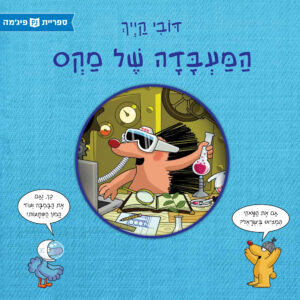 Max the Inventor
 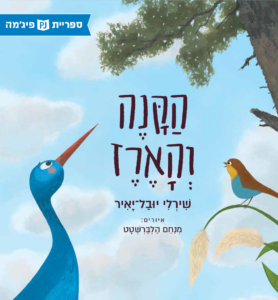 The Reed and the Cedar
 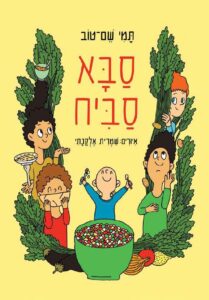 Sabba Sabich
 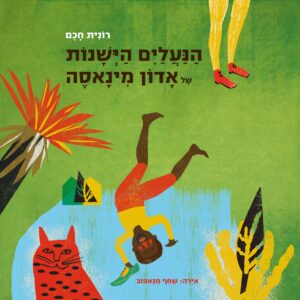 An Old Pair of Shoes
 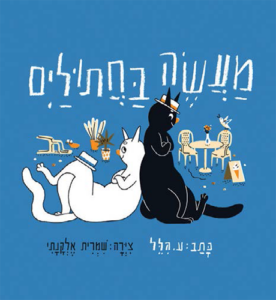 A Tale of Two Cats